Summary
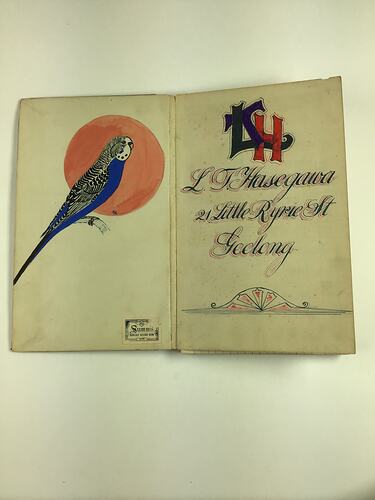
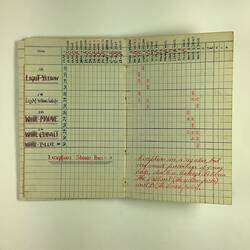
Diary with hand-written inscriptions and hand-drawings created by Leo Hasegawa, son of Setsutaro Hasegawa, when he was living with his father and family at the family home in Geelong, circa 1940s. Leo and Setsutaro shared an interest in breeding birds and kept an aviary in the back yard. The book includes details about budgerigar colours, management and breeding patterns.
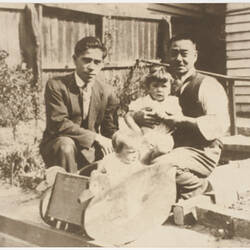
Setsutaro migrated to Australia from Japan in 1897 at the age of 26, just four years before the introduction of the Immigration Restriction Act which severely limited migration to Australia from countries in Asia. He established a laundry business in Geelong and by 1911 he had married an Australian-born woman and had three children.
In 1941 Setsutaro was arrested as an enemy alien and sent to Tatura internment camp in northern Victoria. Released early in 1943 due to his age and poor health, unlike most Japanese interns he was not deported to Japan after the War. Setsutaro remained in Geelong for the rest of his life and died in 1952.
Physical Description
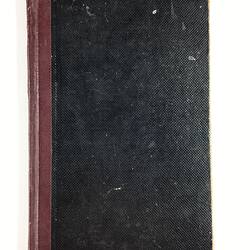
Black hard cover with red spine (front cover has separated), pages ruled up into dates, hand written black, blue and red inscriptions.
Significance
The Hasegawa collection enables the exploration of a number of important historical themes relating to migration, working life, and wartime internment in Victoria. Late nineteenth century and early to mid twentieth century Japanese migration and settlement experiences are little represented in the museum's collections and this collection of clothing, documents, personal items and photographs helps to redress this absence.
More Information
-
Collecting Areas
-
Related Person (See Comments)
-
Person Named
-
Inscriptions
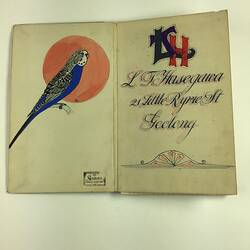
Inside facing page (hadn written and coloured): 'L.T. Hasegawa/21 Little Ryrie Street/Geelong'
-
Classification
-
Category
-
Discipline
-
Type of item
-
Keywords
Japanese Culture, Japanese Immigration, Japanese Communities, Backyards, Hobbies, Birds, Animal Husbandry